




Hashimoto's Thyroiditis can seem like a daunting name when it first appears on a medical report. Statistics indicate that the disease is significantly more common in women than in men, frequently appearing between the ages of 30 and 50, although it can manifest at any age. Among the pathologies affecting this small, butterfly-shaped gland located at the base of the neck, Hashimoto's Thyroiditis is the most prevalent.
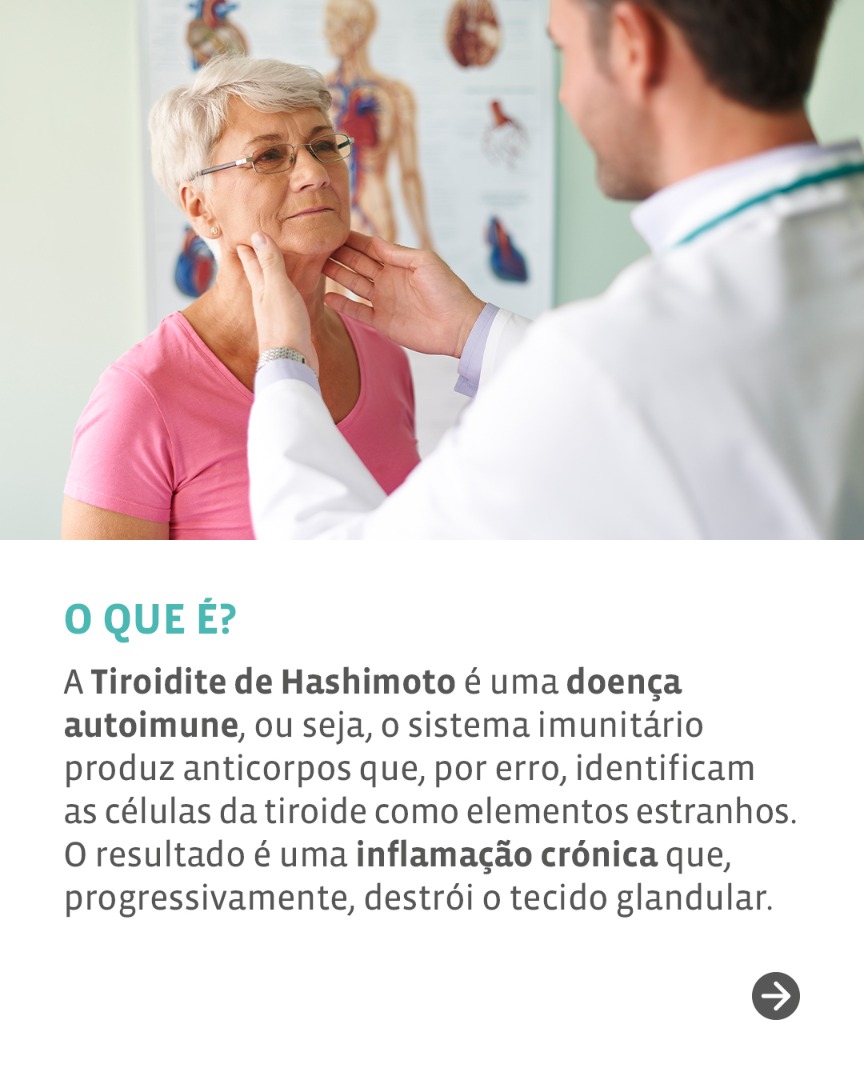
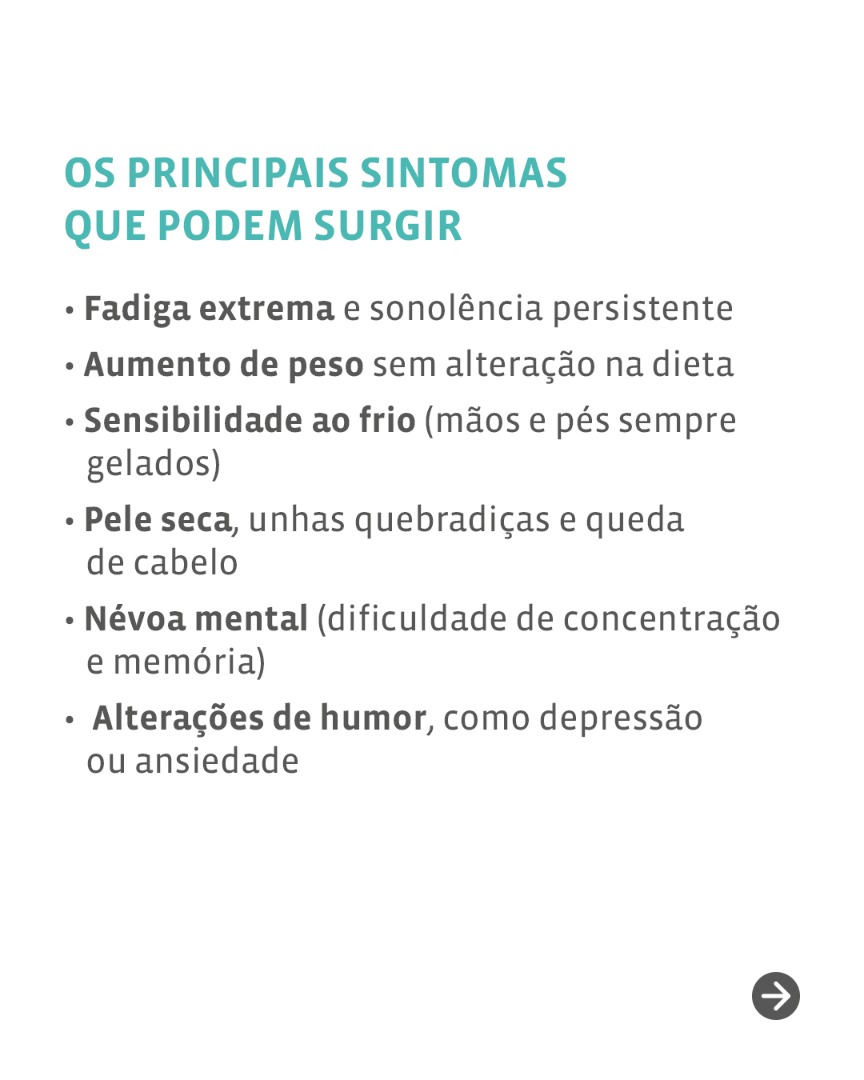
Hashimoto's Thyroiditis is an autoimmune disease; the immune system produces antibodies that mistakenly identify thyroid cells as foreign elements. The result is chronic inflammation that progressively destroys glandular tissue. The body produces antibodies (such as anti-TPO and anti-thyroglobulin) that attack the thyroid, causing chronic inflammation. Over time, this continuous attack can damage the gland, preventing it from producing enough hormones for the body's needs. This is where hypothyroidism arises. The thyroid is the body's "metabolic thermostat," dictating its rhythm. When hormone levels drop, everything slows down. The main symptoms that may arise are:
- Extreme fatigue and persistent sleepiness;
- Weight gain without changes in diet;
- Sensitivity to cold (hands and feet always freezing);
- Dry skin, brittle nails, and hair loss;
- Brain fog (difficulty with concentration and memory);
- Mood changes, such as depression or anxiety.
Diagnosis is generally simple, performed through blood tests that measure the TSH hormone, Free T4, and the presence of anti-thyroid peroxidase antibodies (anti-TPO and anti-thyroglobulin), which should be complemented by a thyroid ultrasound.
The goal of treatment is not to "cure" autoimmunity, but to replace what is missing. The standard treatment typically involves a daily dose of levothyroxine, a synthetic hormone identical to the one your body should produce. When the dose is correctly adjusted by your doctor, most symptoms disappear, and the risk of long-term complications is drastically reduced.
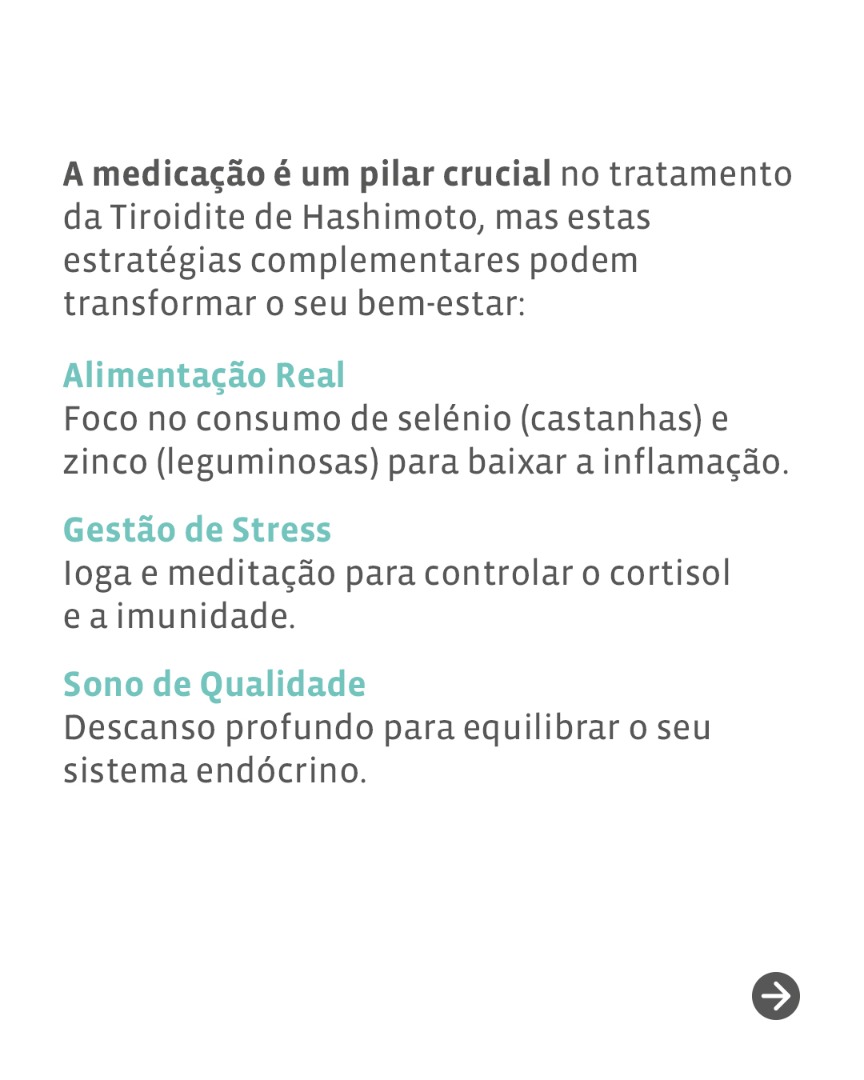
While medication is crucial, many patients feel better by adopting complementary strategies:
- Anti-inflammatory Diet: Focusing on real foods rich in selenium (such as Brazil nuts) and zinc can help reduce inflammation. Some patients report improvements by reducing gluten, though this should be discussed with a specialist.
- Stress Management: Cortisol (the stress hormone) can exacerbate the autoimmune response. Practices like yoga or meditation are valuable allies.
- Quality Sleep: The thyroid needs rest so that the endocrine system can function in balance.
Receiving this diagnosis does not mean you will have a lower quality of life. It simply means your body requires more conscious attention. Hashimoto's Thyroiditis requires a lifelong commitment to medical monitoring, but it is far from being a sentence of malaise. With early diagnosis, correct medication adjustment, and proper clinical and imaging monitoring, the body's "metabolic thermostat" can return to full balance.
Carlos Carneiro National Coordinator of the Autoimmune Diseases Study Group of the Portuguese Society of Internal Medicine
25, May 2026