




Psychosocial well-being in the workplace has increasingly taken on a central role in modern organisations. More than a trend, it is a structural necessity to ensure not only employees’ health, but also the sustainability and productivity of companies. Creating healthy work environments is therefore a collective responsibility involving employers, workers, and the organisational culture itself.
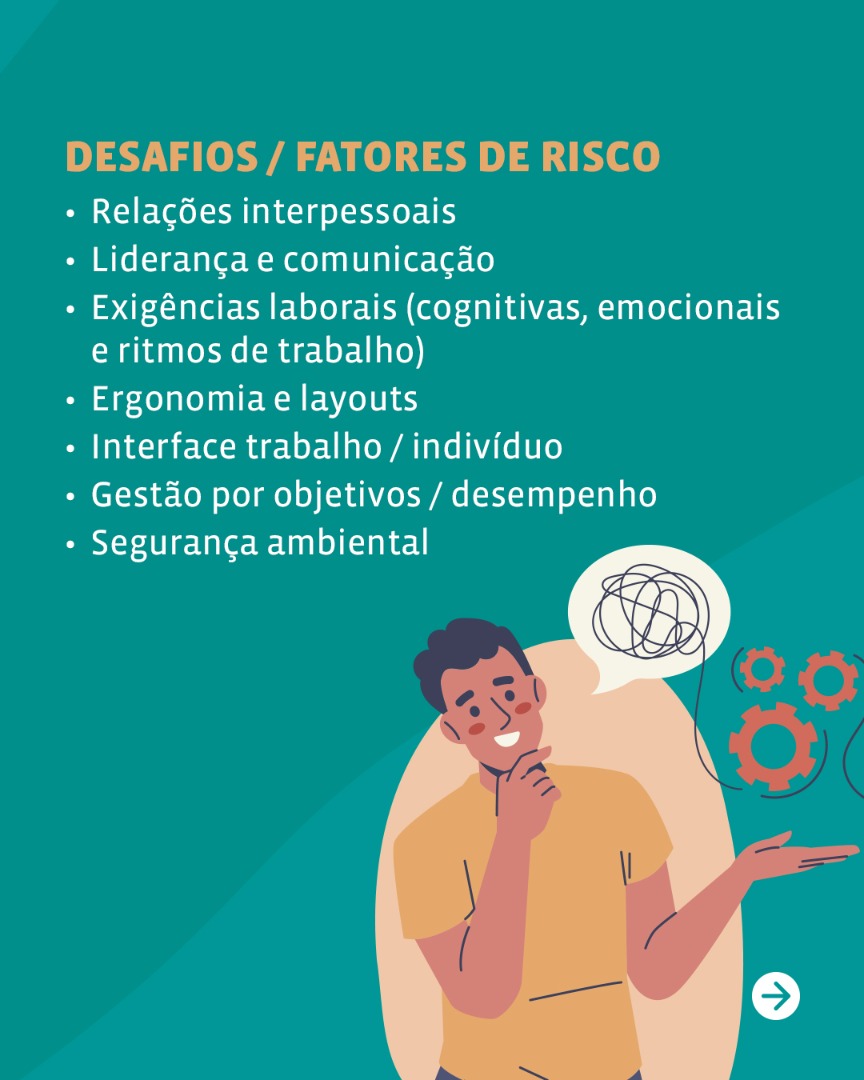
Among the main challenges and risk factors are interpersonal relationships, leadership and communication, as well as work demands, whether cognitive, emotional, or related to work pace. Additional factors include ergonomics and the organisation of workspaces, the interface between the worker and their tasks, management by objectives, and environmental safety. When neglected, these elements can contribute to high levels of stress, burnout, and other mental health issues.
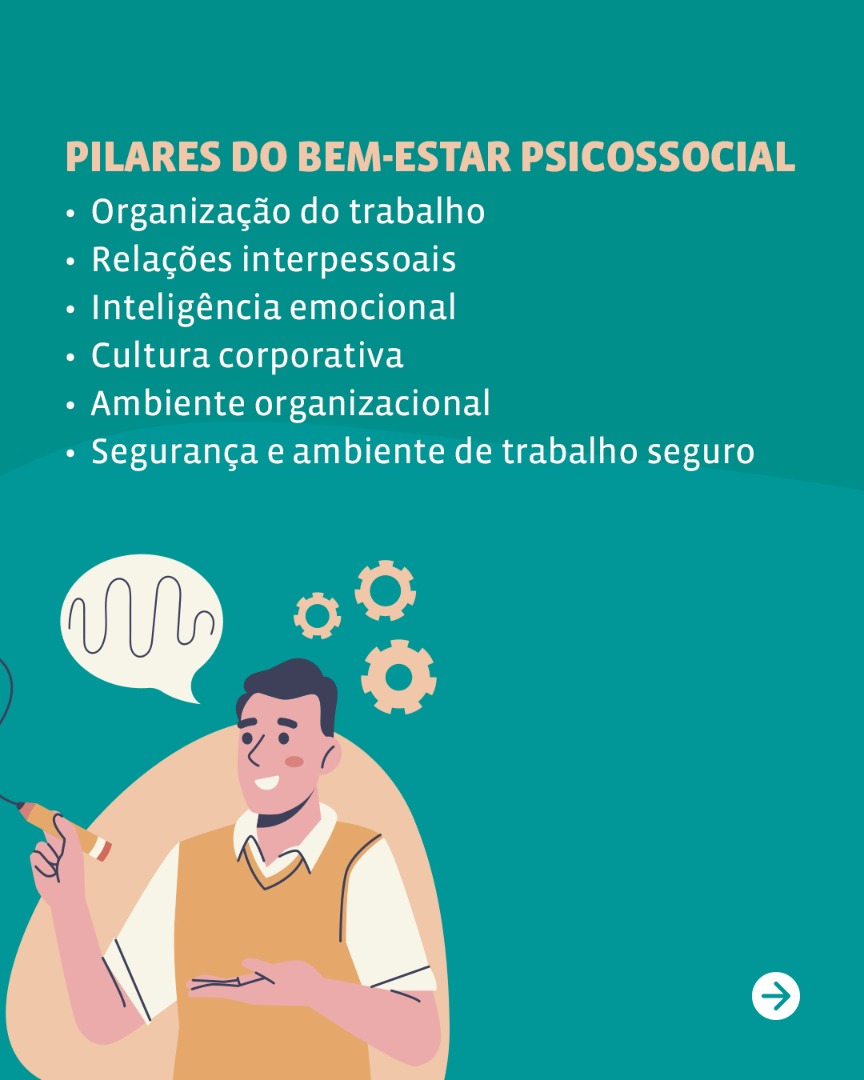
To counter these risks, it is essential to invest in key pillars of psychosocial well-being. Work organisation should be clear, balanced, and aligned with employees’ capabilities. Interpersonal relationships should be fostered in an environment of respect and collaboration, while emotional intelligence becomes a key competence in managing conflicts and emotions. Corporate culture should reflect values of support and inclusion, and the organisational environment must be safe, both physically and psychologically.
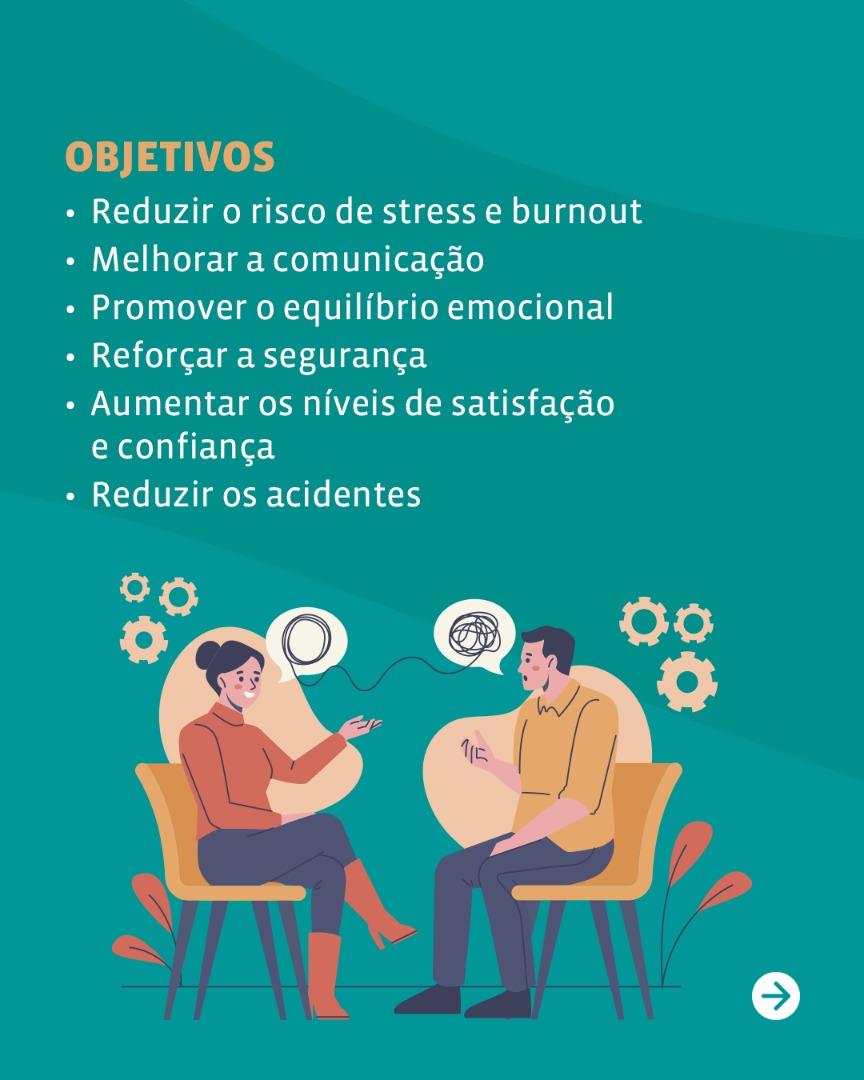
The objectives of an effective strategy in this area include reducing the risk of stress and burnout, improving communication, promoting emotional balance, strengthening safety, increasing levels of satisfaction and trust, and consequently reducing the number of workplace accidents.
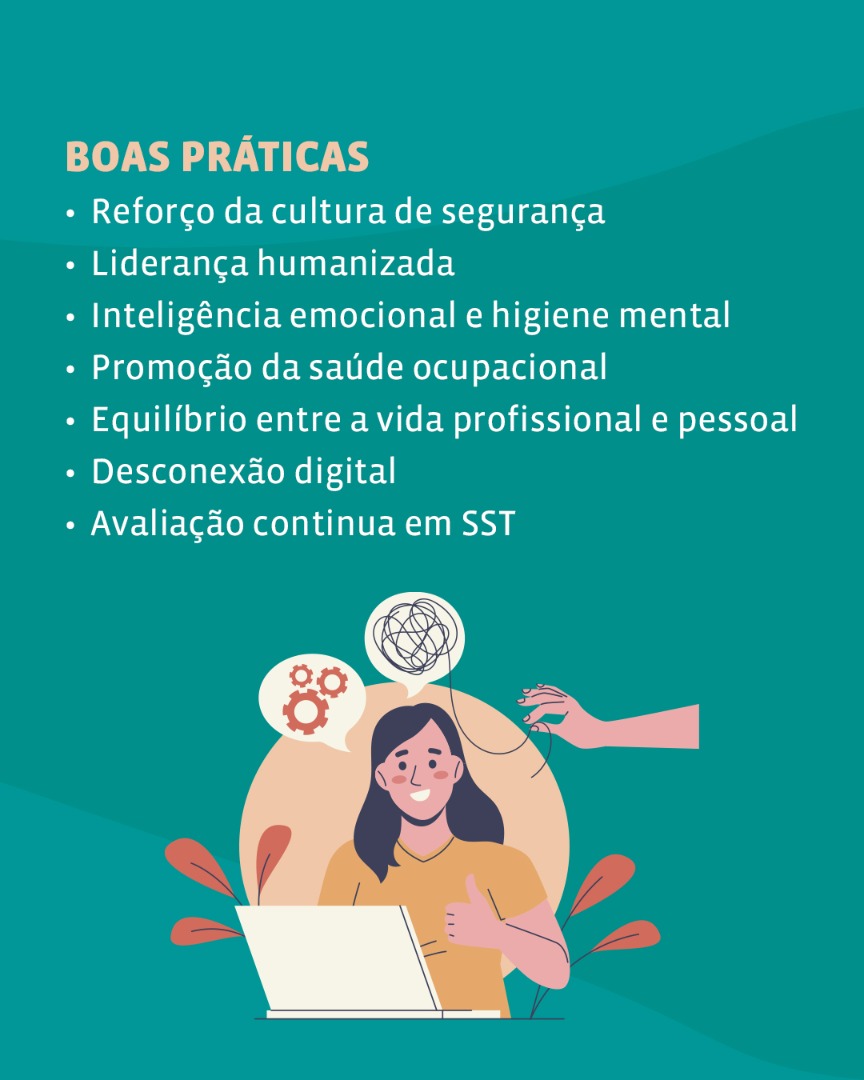
The implementation of good practices is crucial to achieving these goals. These include promoting a culture of safety, human-centred leadership, the development of emotional intelligence, as well as the promotion of occupational health and work–life balance. Empathetic communication, constructive feedback, self-awareness, and emotional regulation are equally essential.
Other measures include health surveillance campaigns, encouraging physical activity, digital disconnection, effective priority management, and risk prevention through continuous monitoring of safety patterns.
In summary, caring for those who work is the first step towards building healthier, more resilient, and more productive organisations. Investing in psychosocial well-being is not only a matter of social responsibility; it is a smart and necessary strategy for the future of work.
Content developed by the Department of Occupational Safety.
28, April 2026