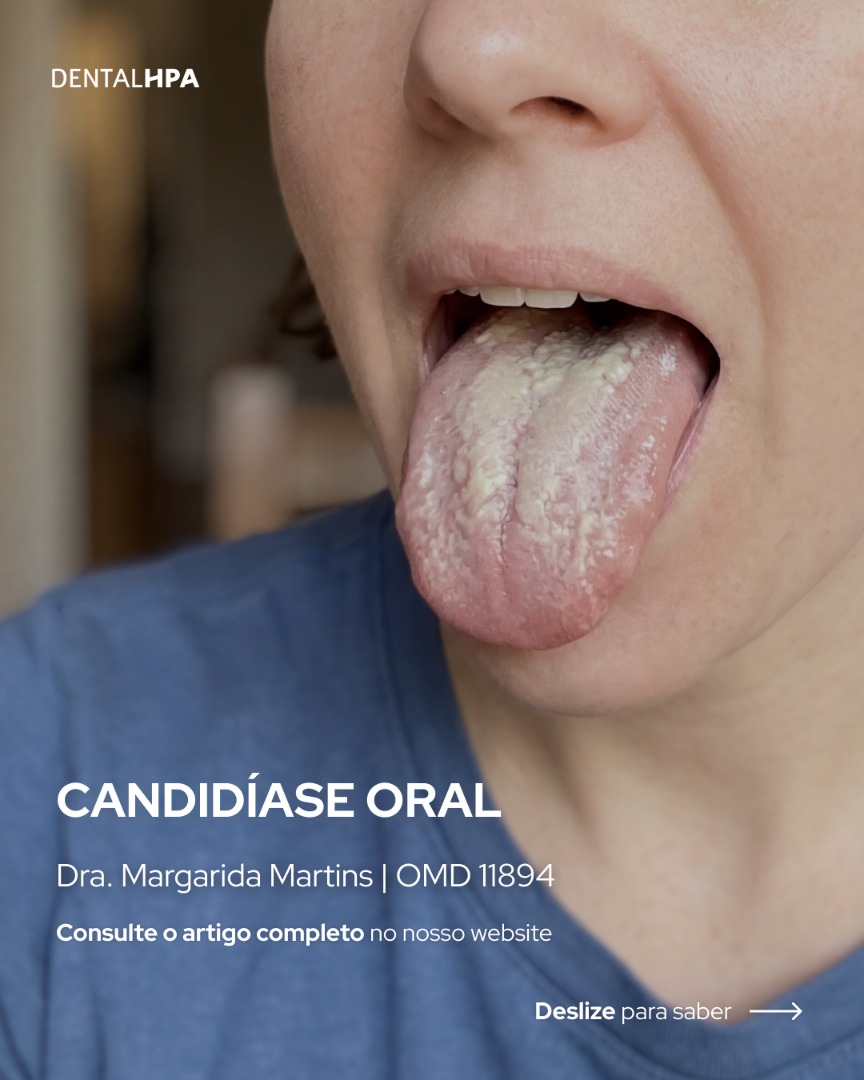





Oral candidiasis, commonly known as “thrush”, is a frequent fungal infection of the oral cavity caused by the excessive growth of yeasts of the Candida albicans species. It is a treatable condition, but it may cause significant discomfort if not properly managed. By recognising the signs and adopting preventive measures, it is possible to maintain oral health and avoid complications or recurrence.
CAUSES
Although this microorganism is naturally present in the mouth without causing harm, certain factors may promote its overgrowth, leading to infection, such as:
Weakened or compromised immune system (e.g. infants and older adults, chronic patients or those undergoing treatments such as chemotherapy);
Prolonged use of antibiotics or corticosteroids;
Uncontrolled diabetes;
Use of ill-fitting dentures or poor denture hygiene;
Dry mouth (xerostomia);
Smoking;
Poor oral hygiene.
MAIN SYMPTOMS
Early recognition of signs is important, including:
White or yellowish plaques on the tongue, gums, inner cheeks or palate;
Redness and inflammation of the oral mucosa;
Burning sensation or discomfort;
Difficulty swallowing or a sensation of dryness;
Loss of taste or persistent unpleasant taste;
Cracks at the corners of the mouth (angular cheilitis).
TREATMENT
In most cases, treatment involves topical antifungal medication (such as oral gels or solutions), although systemic treatment may be required in more persistent or severe cases.
In addition to medication, it is essential to identify and address predisposing factors, such as:
Adjusting or replacing dentures;
Improving oral hygiene;
Controlling systemic conditions such as diabetes;
Stopping smoking;
Reviewing regular medication with the attending physician.
PREVENTION
Important measures include:
Brushing teeth at least twice a day and using dental floss regularly;
Cleaning dentures daily and removing them at night;
Avoiding excessive use of antibiotics without medical indication;
Maintaining a balanced diet and reducing sugar intake;
Ensuring adequate hydration to prevent dry mouth;
Attending regular dental check-ups;
For patients using corticosteroid inhalers, rinsing the mouth after each use is recommended.
If in doubt or if symptoms persist, you should seek assessment by an oral health professional.
Article prepared by Dr Margarida Gonçalves.
29, May 2026