




Myopia (short-sightedness) is one of the most frequent visual impairments today and is showing consistent growth worldwide, particularly among younger age groups. In simple terms, it results in difficulty seeing objects at a distance; however, reducing myopia merely to the need for glasses is an incomplete view of a far more significant clinical issue.
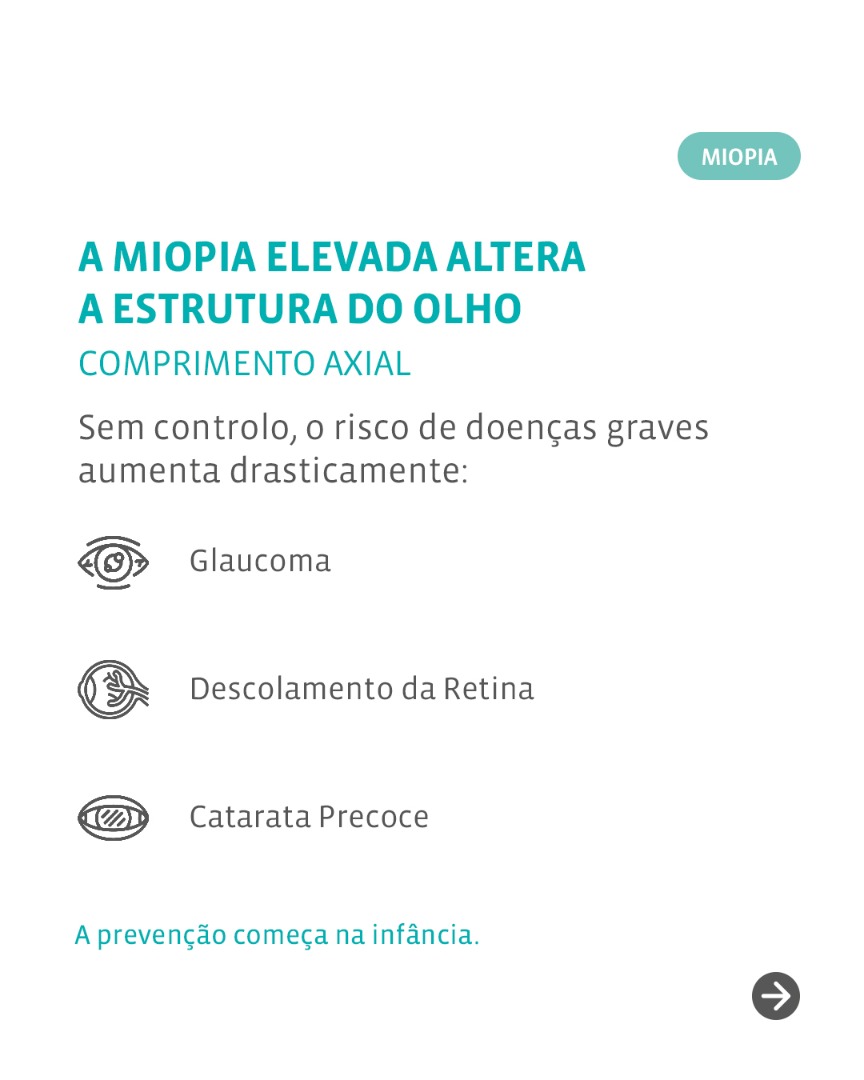
In myopia, the eye tends to have a longer axial length, which alters how images are focused on the retina. When progression is significant especially in cases of high myopia there is an increased risk of serious ocular complications, namely myopic macular degeneration, peripheral retinal tears, retinal detachment, glaucoma, and early-onset cataracts. For this reason, myopia must be monitored rigorously and not viewed solely as an optical matter.
For children and adolescents, the current priority is controlling myopic progression. The objective is not only to improve current vision but to reduce future risks associated with high degrees of myopia. To this end, specific strategies now exist, including ophthalmic lenses designed to modulate ocular growth and help slow the progression of myopia when correctly prescribed. This early intervention represents a major advancement in paediatric and preventive ophthalmology.
At the HPA Health Group, this approach is supported by experienced medical teams and advanced complementary diagnostic tools, allowing for structured surveillance from childhood through to adulthood.
It is also important to highlight that high myopia often requires monitoring by specialists in medical and surgical retina. Changes in the peripheral retina, vitreoretinal traction, myopic neovascularisation, or retinal detachment require specialised technical capacity and timely intervention. In this field, the HPA Health Group possesses a particularly solid and renowned expertise, with a dedicated specialist team focused on the early diagnosis and treatment of complications associated with pathological myopia.
For adults seeking independence from glasses or contact lenses, modern and personalised refractive solutions are also available. Not all cases benefit from laser corneal surgery; for many patients, the implantation of phakic intraocular lenses or other intraocular lenses suited to their specific visual and anatomical profile is preferable.
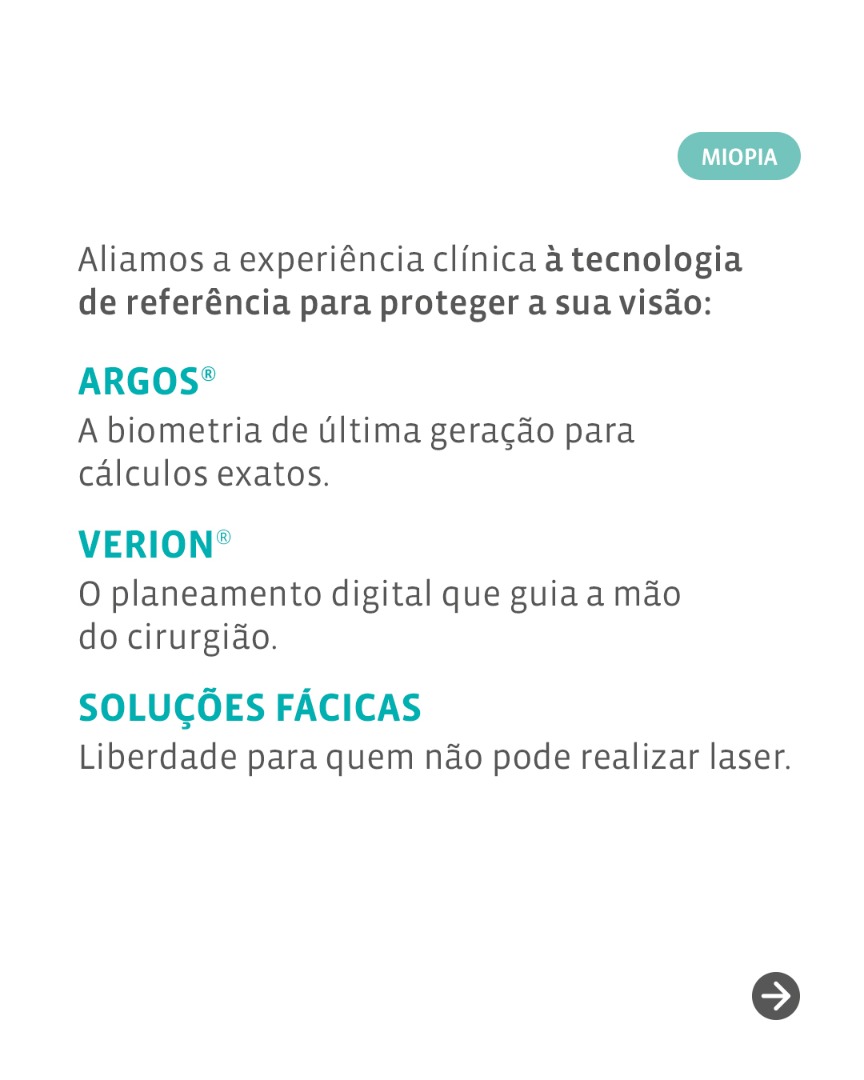
The HPA Health Group features gold-standard technology in this area, including the latest-generation optical biometry with the ARGOS® system, VERION® digital surgical planning platforms, and LuxOR® advanced surgical microscopy with integrated systems for augmented visualisation and intraoperative guidance. This technological integration allows for high precision in the calculation, centring, and personalisation of implanted solutions.
On World Myopia Day, the central message is clear: prevent whenever possible, monitor always, and treat with specialised expertise when necessary. In the face of a growing global problem, the combination of clinical experience, sub-specialisation, and advanced technology makes all the difference in protecting vision throughout life.
Content developed by Dr Argílio Caldeirinha
18, May 2026