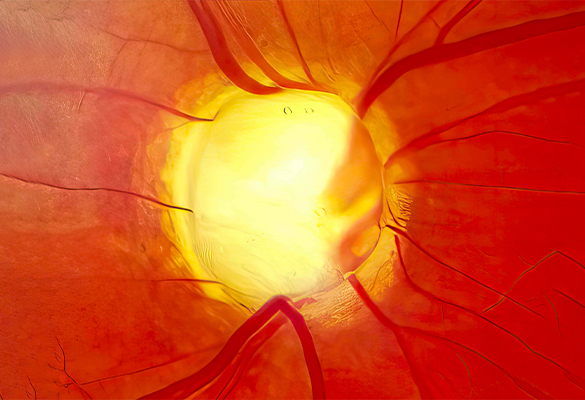





Glaucoma is often called the “silent thief of sight.” The name is apt, as the disease usually develops slowly and without noticeable symptoms. Most people feel no pain and see normally in the early stages. By the time changes in vision become apparent, the optic nerve may already have suffered significant and irreversible damage.
It is one of the leading causes of permanent vision loss worldwide. The condition occurs when damage to the optic nerve—the structure that carries visual information from the eye to the brain—gradually impairs vision. In many cases, this damage is associated with raised intraocular pressure, although glaucoma can also occur at pressures considered to be within the normal range.
One of the most important things to understand about glaucoma is that vision already lost cannot be recovered. Unlike some other eye conditions, treatment cannot restore damaged nerve fibres. Instead, the aim of treatment is to slow down or halt the progression of the disease. This is why early detection is so important. The sooner glaucoma is identified and treated, the greater the chance of preserving useful vision for the remainder of a person’s life.
Traditionally, treatment has relied mainly on daily eye drops designed to lower the pressure inside the eye. These medications remain an essential part of glaucoma management and are effective for many patients. However, some people struggle with side effects, difficulty administering drops correctly, or simply remembering to use them consistently over many years.
Surgical procedures have also long been employed when eye drops are insufficient to control the disease. Traditional glaucoma surgery can be very effective but is generally reserved for more advanced stages, as it involves more invasive techniques.
In recent years, however, the landscape of glaucoma treatment has begun to change. Technological advances have introduced new minimally invasive treatment options that can be used earlier in the course of the disease.
One example is micropulse transscleral laser therapy. This treatment uses a specially designed laser to gently reduce intraocular pressure. Unlike traditional surgery, it does not require incisions and is typically performed as a short outpatient procedure.
The laser energy is delivered in very short pulses rather than continuously. This “micropulse” technology allows the treatment to target the tissue while minimising damage to surrounding structures. As a result, it has a favourable safety profile and can be repeated if necessary.
Because these newer techniques are less aggressive than traditional filtering surgeries, they can be considered earlier in the disease’s progression. A growing range of minimally invasive glaucoma procedures, including modern laser treatments such as micropulse transscleral laser therapy, enables doctors to lower eye pressure without the same level of surgical trauma associated with classic operations like trabeculectomy. This means that instead of waiting until glaucoma becomes more advanced before considering a procedure, it is increasingly possible to intervene sooner with treatments that have a favourable safety profile while still helping to control the disease.
Modern glaucoma care is therefore shifting towards a more proactive approach. Earlier diagnosis, combined with a broader range of treatment options, allows doctors to tailor care more precisely to each patient.
What truly makes a difference in glaucoma is timing. When the disease is detected early and treated appropriately, vision can often be preserved for many years. Advances in treatment are helping doctors protect patients’ eyesight more effectively than ever before.
Artigo desenvolvido pelo Dr. Miguel Boncquet Vieira.