





Appointments
Request Appointment/Request Exam - After completing the respective forms, these requests will be processed by our services, and you will receive confirmation by email. The indications about the Agreements (Insurance/Subsystem) are merely informative, please request confirmation in the "Observations" field.
Schedule Appointment/Exam myHPA - By accessing myHPA Saúde you can make the appointment in real time, directly on the Doctor's schedule according to his availability.
You can also contact us at +351 282 420 400 Algarve | +351 269 630 370 Alentejo | +351 291 003 300 Madeira
Phone booking/service hours:
Monday to Friday: 8:00 AM to 7:00 PM, Saturday: 8:00 AM to 5:00 PM Sunday and Holidays: Closed
(National landline)
Your request has been successfully received. We will confirm your appointment shortly.
Download myHPA Saúde:


HPA Health Group Newsletter:
Subscribe and stay up to date with all the news!
Colonic Diverticulosis
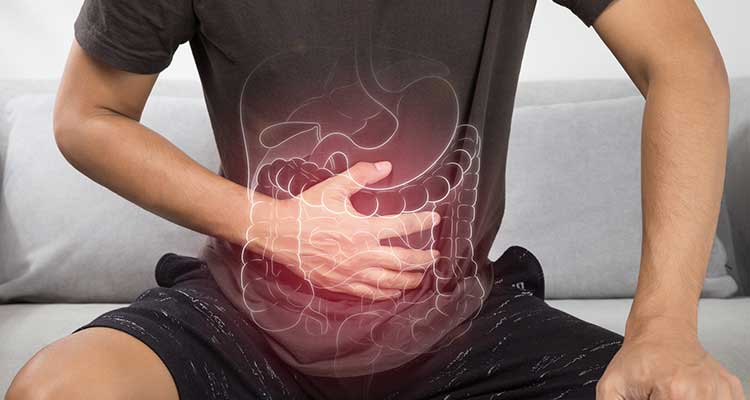
Diverticulosis is a condition characterised by the presence of small pouches in the lining of the large intestine, known as diverticula. It is more common in industrialised countries, where typical diets are low in dietary fibre. Fibre, found in fruit, vegetables, seeds and cereals, is not digested by the gastrointestinal tract but plays an essential role in forming softer stools, facilitating bowel movements and preventing constipation.
Fibre may be soluble, found in fruit, legumes and cereals such as oats, barley or rye, which promotes the growth of beneficial intestinal bacteria; or insoluble, found in vegetables, whole grains and seeds, which increases stool volume and moisture, reduces intestinal pressure and helps prevent diverticulum formation.
In most cases, diverticulosis is asymptomatic and referred to as uncomplicated diverticulosis. When inflammation of the diverticula occurs, known as diverticulitis, symptoms may include:
- Mild or severe abdominal pain;
- Fever;
- General malaise;
- Constipation or diarrhoea.
In more severe cases, nausea, vomiting or diarrhoea with pus and blood may occur.
Insufficient fibre intake leads to constipation and increased pressure within the colon, favouring diverticulum formation. Diverticulosis becomes more common with advancing age, affecting approximately two-thirds of individuals over 50 years of age. Regular physical activity, weight control and adequate intake of fibre and fluids help prevent the formation of new diverticula, although they do not reverse existing ones.
Factors such as smoking, obesity, immunosuppression, use of anti-inflammatory drugs and chemotherapy increase the risk of complications.
Diagnosis is made by a gastroenterologist based on clinical history, symptoms and complementary investigations. The most commonly used diagnostic methods include colonoscopy and computed tomography (CT), which allow direct visualisation of diverticula and assessment of disease severity.
Treatment depends on the presence of symptoms or complications. In uncomplicated diverticulitis, oral or intravenous antibiotics are used. In more complicated cases, non-surgical drainage of abscesses may be considered. In severe cases, surgery may be required.
In diverticular bleeding, a conservative “watchful waiting” approach may be adopted, or therapeutic colonoscopy may be performed. In certain cases, interventional radiology (angiography), when available, may be a good alternative. If therapeutic measures fail, colectomy (surgical removal of part of the colon) becomes the treatment of last resort.
Prevention is essential and includes measures such as:
- Increasing daily fibre intake (fruit, vegetables, whole grains and legumes);
- Adequate fluid consumption;
- Weight control and regular physical activity;
- Smoking cessation and avoidance of unhealthy dietary habits.
- Dra. Ana Margarida Vieira
- Dr. André Sancho Ramos
- Dr. Bruno Peixe
- Dra. Helena Tavares de Sousa
- Dra. Maria Margarida Sampaio
- Dra. Patrícia Queirós
- Dra. Ana Rita Herculano
- Dr. André Sancho Ramos
- Dr. Diamantino Sousa
- Dr. Francisco Açucena
- Dr. Horácio Guerreiro
- Dr. Mário César
- Dr. Horácio Guerreiro
- Dra. Ana Rita Herculano
- Dra. Carla Sousa Andrade
- Dra. Isabel Jardim
- Dra. Joana Carvão
- Dr. Luís Jasmins
- Dr. Nuno Ladeira
- Dra. Rosa Neto da Silva
- Dr. Vítor Magno Pereira