






Appointments
Request Appointment/Request Exam - After completing the respective forms, these requests will be processed by our services, and you will receive confirmation by email. The indications about the Agreements (Insurance/Subsystem) are merely informative, please request confirmation in the "Observations" field.
Schedule Appointment/Exam myHPA - By accessing myHPA Saúde you can make the appointment in real time, directly on the Doctor's schedule according to his availability.
You can also contact us at +351 282 420 400 Algarve | +351 269 630 370 Alentejo | +351 291 003 300 Madeira
Phone booking/service hours:
Monday to Friday: 8:00 AM to 7:00 PM, Saturday: 8:00 AM to 5:00 PM Sunday and Holidays: Closed
(National landline)
Your request has been successfully received. We will confirm your appointment shortly.
Download myHPA Saúde:


HPA Health Group Newsletter:
Subscribe and stay up to date with all the news!
Constipation
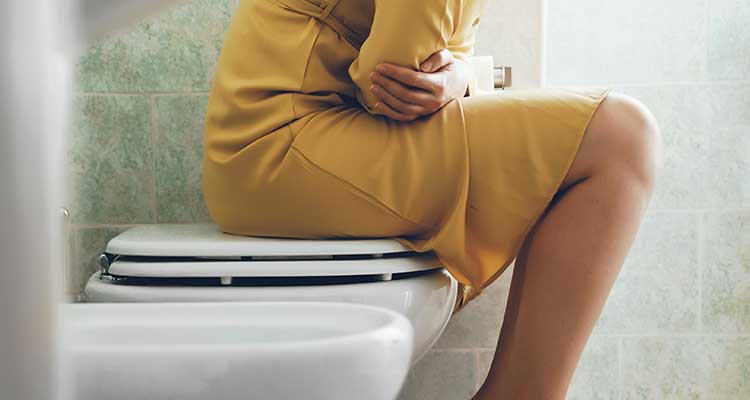
Intestinal constipation, commonly referred to as constipation or a “lazy bowel”, is a frequent condition that can affect people of all ages. Its definition may vary from person to person, but it is generally characterised by infrequent bowel movements (fewer than three per week), difficulty passing stools, hard stools, or a sensation of incomplete bowel emptying.
In most cases, constipation is temporary (acute). However, when symptoms persist for a prolonged period, it may become chronic, significantly affecting well-being and quality of life, and is often associated with abdominal pain, bloating and persistent discomfort.
Constipation usually occurs when stools remain in the large intestine for too long, becoming hard and difficult to pass. The main associated factors include:
- Low-fibre diet;
- Insufficient fluid intake;
- Sedentary lifestyle;
- Changes in daily routine;
- Repeatedly ignoring the urge to defecate;
- Pregnancy;
- Stress, anxiety or depression;
- Side effects of certain medications.
In the vast majority of cases, constipation is functional in nature and is related to genetic predisposition, dietary habits and a sedentary lifestyle. Less frequently, it may be associated with diseases that directly interfere with intestinal peristalsis, such as depression, diabetes or hypothyroidism, in which case treatment should be directed at the underlying cause. Other causes should also be considered, namely neurological conditions (Parkinson’s disease, stroke) or congenital disorders (such as amyloidosis), as well as associations with intestinal, endocrine or other diseases that require medical evaluation.
Constipation in children
Childhood constipation is common and is often related to inadequate dietary habits, fear of defecation or changes in routine. It may present with abdominal pain, bloating, irritability, reduced appetite and hard or painful stools.
Diagnosis is usually clinical, based on the patient’s history and symptoms. In the absence of alarm signs, complementary tests are not always necessary. In persistent cases or when symptoms such as bleeding, weight loss or severe pain are present, further investigations may be requested to exclude other conditions.
If left untreated, especially in chronic forms, constipation may lead to complications such as haemorrhoids, anal fissures, rectal prolapse or, more rarely, may be associated with more serious intestinal pathology.
Prevention and treatment of constipation essentially involve:
- A balanced, fibre-rich diet;
- Adequate fluid intake;
- Regular physical activity;
- Establishment of regular bowel habits;
- Avoiding delaying the urge to defecate.
When these measures are insufficient, treatment should be guided by a doctor and may include the careful use of laxatives or other specific approaches, always under medical supervision.
At HPA Saúde, the approach to constipation is individualised, focused on identifying causes and promoting effective, safe and sustainable solutions, with the aim of improving patients’ quality of life.
- Dra. Ana Margarida Vieira
- Dr. André Sancho Ramos
- Dr. Bruno Peixe
- Dra. Helena Tavares de Sousa
- Dra. Maria Margarida Sampaio
- Dra. Patrícia Queirós
- Dra. Ana Rita Herculano
- Dr. André Sancho Ramos
- Dr. Diamantino Sousa
- Dr. Francisco Açucena
- Dr. Horácio Guerreiro
- Dr. Mário César
- Dr. Horácio Guerreiro
- Dra. Ana Rita Herculano
- Dra. Carla Sousa Andrade
- Dra. Isabel Jardim
- Dra. Joana Carvão
- Dr. Luís Jasmins
- Dr. Nuno Ladeira
- Dra. Rosa Neto da Silva
- Dr. Vítor Magno Pereira